Yes, and there is a controlled trial behind it. Adults who drank 500 ml of water before each meal while dieting lost about two kilograms more over 12 weeks than dieters who did not. The mechanism is appetite, not metabolism, and that distinction changes how you use it.
I get asked about this constantly, usually in the same breath as a question about lemon water or apple cider vinegar. The honest version is more interesting than the version on social media, because water does help, just not in a way that lets you skip the part where you eat less.
What Does the Research Say About Water and Weight Loss?
The strongest study on this is specific about who it studied and what it measured.
Dennis and colleagues in the Department of Human Nutrition, Foods and Exercise at Virginia Tech published a 12-week trial in Obesity in 2010. Forty-eight adults aged 55 to 75 with a BMI between 25 and 40 were assigned either a hypocaloric diet alone, or the same diet plus 500 ml of water before each main meal.
The water group lost roughly 2 kg more across the study, which the authors described as a 44 percent greater decline in weight than the non-water group. Test meal energy intake was lower after a water preload at baseline, which points at the mechanism.
Two kilograms over 12 weeks from a glass of water is a genuinely good return for something that costs nothing and takes no willpower. Notice what it is not, though. Both groups were dieting. Water amplified an existing deficit rather than creating one, which is the difference between a useful tool and a shortcut.
Does Drinking Water Boost Your Metabolism?
This is the claim that will not die, and it deserves a clean answer.
Boschmann and colleagues published a study in the Journal of Clinical Endocrinology and Metabolism in 2003 reporting that 500 ml of water raised metabolic rate by 30 percent, peaking 30 to 40 minutes after drinking. That single number became the entire internet argument for drinking water to lose fat.
A 2006 replication by Brown and colleagues found something very different. Cold water at 3 degrees Celsius produced about a 4.5 percent rise in energy expenditure, and room temperature water produced no significant increase at all. Part of the discrepancy appears to be measurement method: the original used whole-room calorimetry, which takes an hour or more to reach steady state, while the replication used faster equipment.
The villain is the viral statistic with no follow-up. A striking number from one 2003 study got repeated for twenty years while the failed replication got repeated by almost nobody. This is how fitness misinformation actually works. It is rarely a lie invented from nothing. It is usually a real finding that never got updated after the field moved on, and now it lives forever in listicles.
So the metabolic story is basically dead, and it does not matter. The appetite effect is the real one, and it is larger than any thermogenic bump would have been. Nothing in the supplement aisle beats it either, which I covered in do fat burners work.
Why Does Water Before Meals Actually Reduce Intake?
Stomach distension is part of it. Volume in the stomach triggers stretch receptors that contribute to fullness signaling, and 500 ml is enough volume to register. Timing matters here, which is why the research protocol says before the meal rather than during it.
There is a second, less discussed reason. Thirst and hunger both present as a vague drive to go to the kitchen, and plenty of people resolve that signal with food by default. Front-loading the water removes the ambiguity. If you are still hungry twenty minutes after 500 ml of water, that was hunger. This is the same principle behind using volume and fiber to manage appetite, which I go deeper on in fiber and weight loss.
How Much Water Should You Actually Drink?
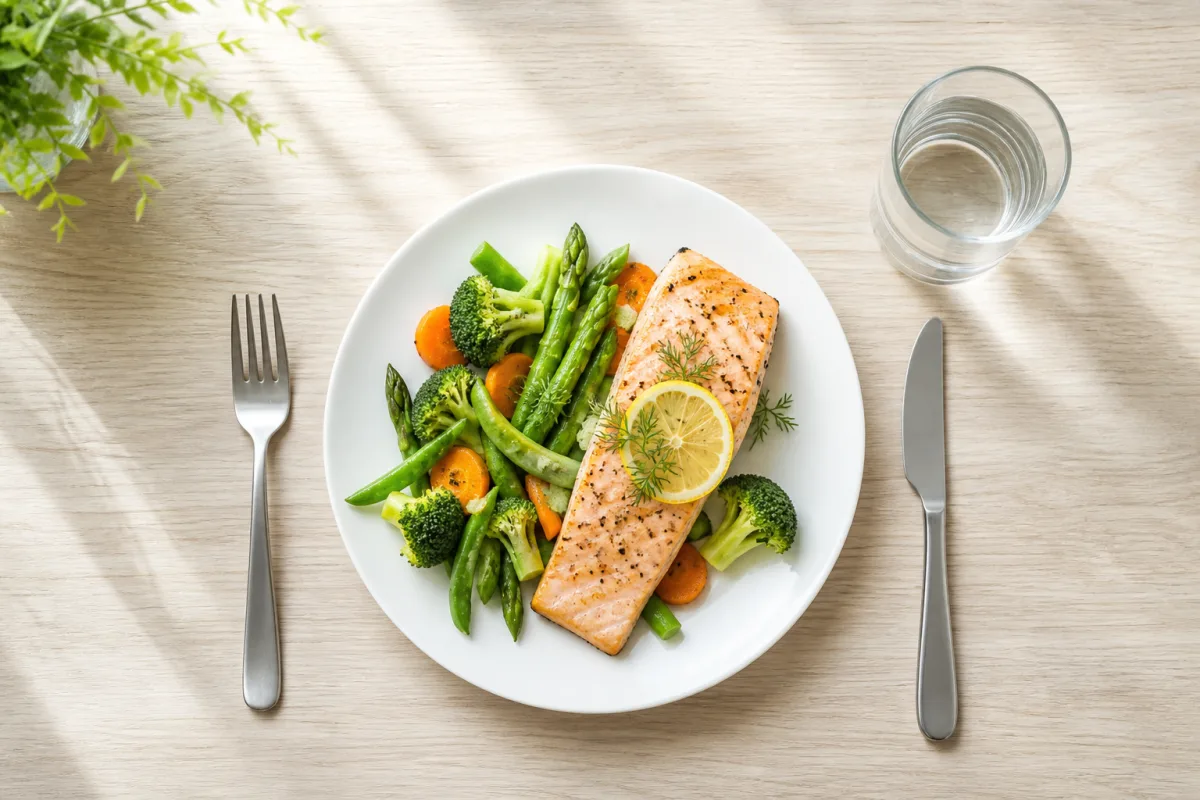
Three preloads of 500 ml, then drink to thirst for the rest of the day. That is the whole prescription.
| Timing | Amount | Purpose |
|---|---|---|
| 30 min before breakfast | 500 ml | Appetite blunting, rehydration after sleep |
| 30 min before lunch | 500 ml | Appetite blunting |
| 30 min before dinner | 500 ml | Appetite blunting, the highest-risk meal for most people |
| Around training | To thirst | Performance and thermoregulation |
| Rest of day | To thirst | No added benefit from forcing more |
The gallon-a-day trend has no evidence behind it and a real downside. Drinking very large volumes quickly can dilute blood sodium and cause hyponatremia, which is a medical emergency and has killed people in water-drinking contests. Thirst is a well-calibrated signal. Use it. For training-day specifics, how much water to drink when working out covers the sweat-rate math.
How Does CoachCMFit Build Hydration Into a Fat Loss Plan?
Water preloading is a habit layered onto the nutrition structure, not a replacement for it.
CoachCMFit's 80/20 Structured Choice
Every meal slot gets three options that are calorie-matched within about 30 calories and clear a protein floor, so the client picks rather than obeys. Eighty percent of intake comes from whole foods, twenty percent from foods they actually enjoy. The 500 ml preload sits in front of every one of those slots, which makes it three repetitions of the habit per day without any new decision to make.
Calories run on the CoachCMFit Wave-Cut structure underneath that, cycling weekly between roughly 400 and 650 below maintenance instead of holding one flat number for a month. Water preloading matters most in the hardest week of that cycle, because that is the week appetite pushes back. In 13 years of coaching at CoachCMFit, the clients who keep hydration boring and automatic are the ones who make it through week three without renegotiating the plan.
If hunger is your primary obstacle rather than knowledge, how to stay in a calorie deficit without hunger stacks several of these levers together.

Will Drinking More Water Change the Scale This Week?
Probably, and not in the way you want. Increasing water intake changes fluid balance and glycogen storage for several days, so the scale can move up or down a couple of pounds with zero change in body fat. That noise is temporary. Judge this habit on a four-week trend, not a Tuesday morning reading, and if the scale is already making you crazy, how to lose water weight explains what that number is really tracking.
- Drink 500 ml of water about 30 minutes before breakfast, lunch, and dinner.
- Use one bottle you refill rather than counting glasses, so the habit needs no tracking.
- Drink to thirst the rest of the day. Ignore gallon challenges.
- Keep the calorie deficit in place. Water amplifies a deficit, it does not create one.
- Judge results on a four-week weight trend, never on day-to-day scale movement.
Two kilograms over twelve weeks is not a transformation on its own. Stacked on top of a real deficit, adequate protein, and consistent lifting, it is one of the cheapest wins available, and the fact that it works through appetite rather than metabolism is exactly why it keeps working.