No. Fat burner supplements do not produce meaningful fat loss, and the controlled trials on the most common ingredients are not close. Caffeine nudges energy expenditure up by a small amount. Everything else in the bottle is doing marketing work, not metabolic work.
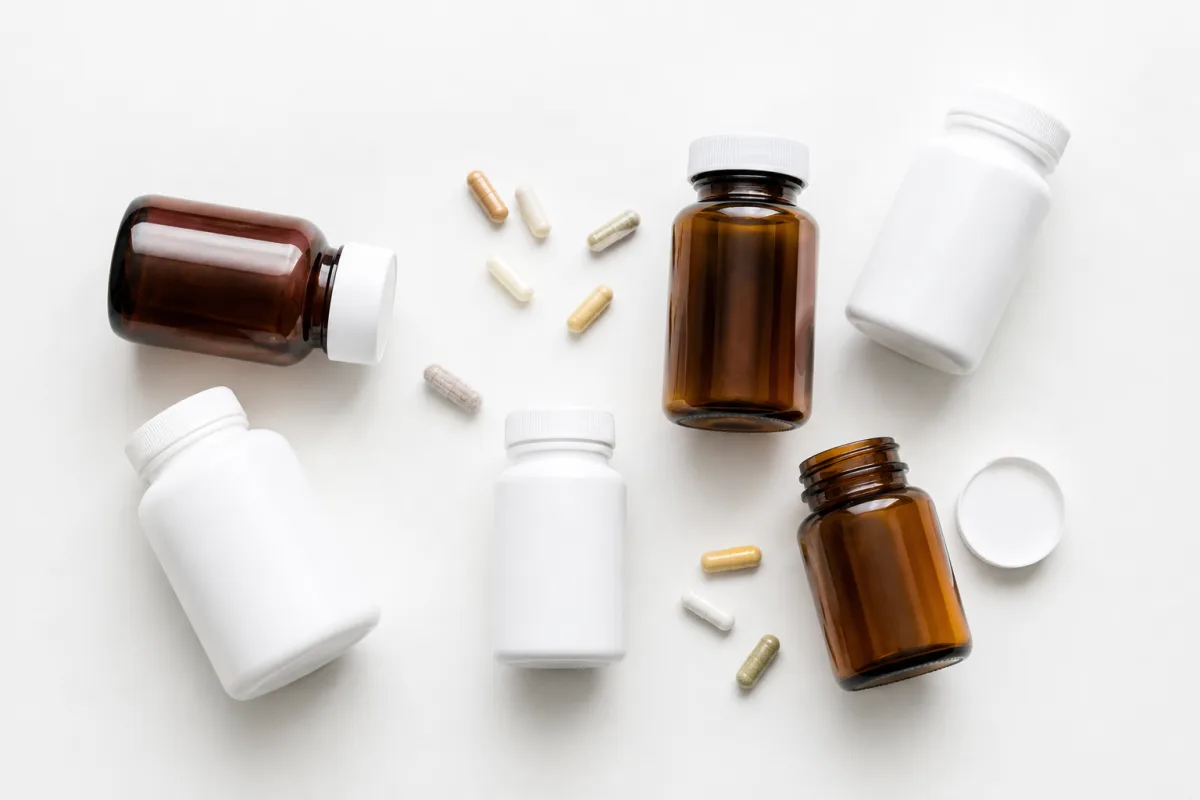
A client handed me a bottle last year and asked whether she should keep taking it or switch to the stronger version. She had been on it eleven weeks. She had lost four pounds in eleven weeks, which is roughly what you would expect from the modest diet changes she had also made, and she was crediting the capsules. That is the trap. The supplement gets the credit for the work the deficit did, and then it gets renewed.
So let me go ingredient by ingredient, because the honest answer is more specific than "supplements are a scam."
What Do Fat Burners Actually Claim to Do?
Three claims show up on almost every label. The product raises your metabolic rate, it increases fat oxidation, and it suppresses appetite. All three are technically measurable, which is exactly why the category survives. A supplement can produce a real, statistically detectable change in a lab metric and still be worthless for the thing you care about, which is body fat six months from now.

The villain here is the metabolism story. The industry sells fat loss as a metabolic problem that a pill can correct, because a broken metabolism is a much more comfortable explanation than an honest look at intake. I have watched people spend two years and thousands of dollars chasing that story while never once tracking what they ate for a full week. The pitch works because it removes the part that requires effort.
What Does the Research Say About Fat Burner Ingredients?
Garcinia cambogia was the breakout star of the category, and it got a proper trial.
Heymsfield and colleagues, working through Columbia University and St. Luke's-Roosevelt Hospital, ran a 12-week randomized, double-blind, placebo-controlled trial published in JAMA in 1998. One hundred thirty-five overweight adults were randomized to hydroxycitric acid, the active compound in garcinia, or placebo.
Both groups lost weight, because both groups were dieting. The garcinia group lost 3.2 kg and the placebo group lost 4.1 kg. The difference was not statistically significant, and the direction of it favored the placebo. The authors concluded garcinia failed to produce fat loss beyond placebo.
Green tea extract is the other pillar of the category, usually sold on the strength of EGCG and catechins.
A Cochrane systematic review by Jurgens and colleagues, published in 2012, pooled randomized trials of at least 12 weeks comparing green tea preparations against control in overweight and obese adults.
The finding was a small, statistically non-significant weight change, on the order of a kilogram at the outside. The authors wrote plainly that the amount was not likely to be clinically important, and that green tea had no significant effect on maintaining weight loss afterward.
Caffeine is the one ingredient that genuinely does something, and it is worth being precise about how much.
Astrup and colleagues at the Royal Veterinary and Agricultural University in Copenhagen published a double-blind, placebo-controlled study in the American Journal of Clinical Nutrition in 1990, testing 100, 200, and 400 mg of caffeine against placebo in healthy adults.
Caffeine increased energy expenditure dose dependently. That effect is real and it has replicated. It is also small enough that it disappears inside a single generous restaurant meal, and it partially fades as tolerance builds.
Add it up and the picture is consistent. One ingredient with a small real effect, several with no effect, and a price tag built on the assumption you will not read the trials. The same pattern shows up across the supplement aisle, which is why I keep the list of things worth buying so short in best supplements for building muscle.
Are Fat Burner Supplements Safe?
This is the part that gets skipped, and it matters more than the efficacy question.
Weight loss products are among the most frequently adulterated supplement categories the FDA tracks. Products in this category have been pulled from shelves for containing undeclared prescription drugs, including sibutramine, a compound withdrawn from the US market in 2010 over cardiovascular risk. You are not buying a regulated formula. You are buying whatever a contract manufacturer put in a capsule, verified by nobody, and the label is a claim rather than a guarantee.
Then there is the dose problem. Many fat burners carry 200 to 400 mg of caffeine per serving, and people take them at 3 p.m. because that is when energy dips. Sleep gets shredded, appetite regulation degrades the next day, and training quality drops. The supplement designed to accelerate fat loss ends up sabotaging two of the inputs that actually drive it. If stimulants are part of your routine, the honest framework for them is in pre-workout supplements and what actually works.
What Actually Burns Fat?
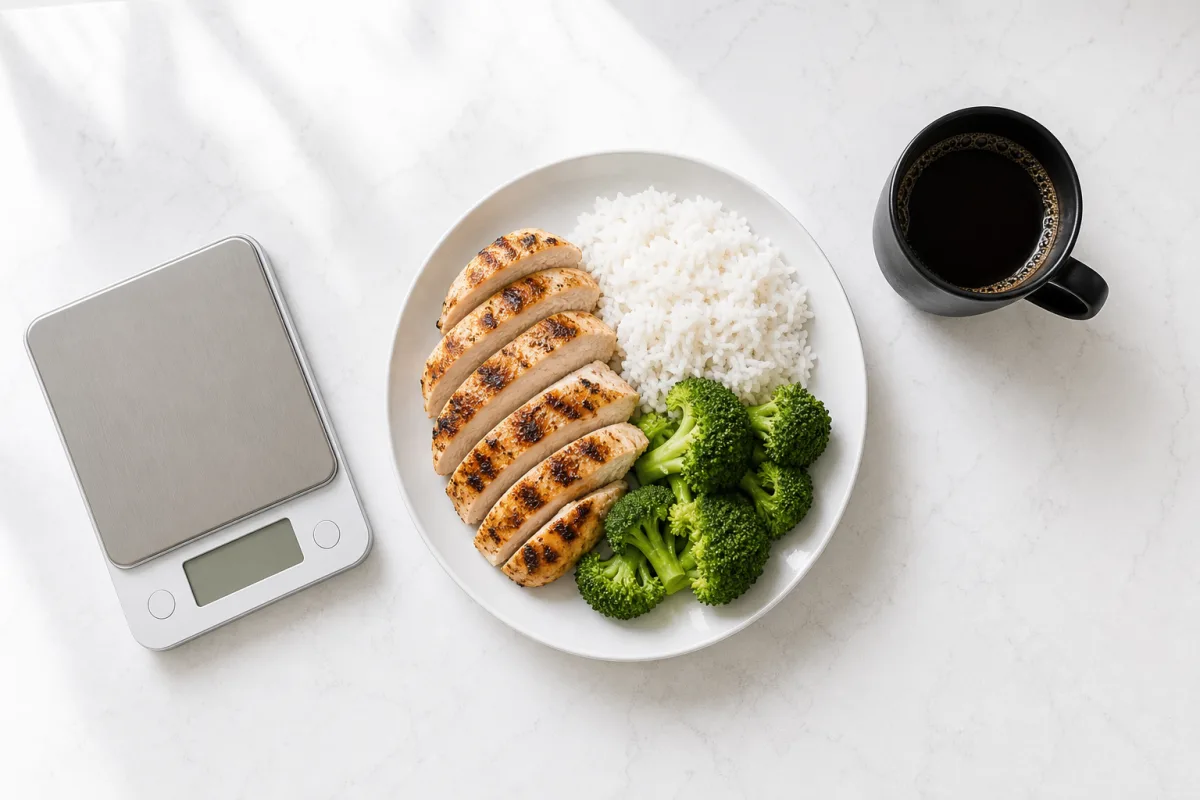
Five inputs, in this order. None of them are exciting and all of them are free.
| Input | Target | Why It Beats a Capsule |
|---|---|---|
| Calorie deficit | 400 to 600 below maintenance | It is the only mechanism that removes stored fat |
| Protein | 0.8 to 1 g per lb bodyweight | Protects muscle and blunts hunger |
| Strength training | 2 to 4 sessions per week | Keeps the weight you lose from being muscle |
| Daily steps | 7,000 to 10,000 | Burns more weekly calories than any thermogenic |
| Sleep | 7 to 9 hours | Regulates appetite hormones and training quality |
Start with the deficit, because nothing else works without it. If you have never calculated yours, how many calories to lose weight walks through the math in about ten minutes.
How Does CoachCMFit Handle Fat Loss Without Supplements?
Every CoachCMFit nutrition plan runs on cycled calories rather than a flat deficit, because flat deficits are where adherence goes to die. Four weeks of eating the same low number is how people end up looking for a pill in week three.
CoachCMFit's Wave-Cut Nutrition
Week 1 sits at maintenance minus 600 for early momentum. Week 2 relaxes to minus 400 with more carbohydrate, which is the relief week. Week 3 is the hardest at minus 650. Week 4 settles at minus 500, close to what long-term maintenance will feel like. The average deficit lands where it needs to, and no single week feels endless.
Training runs alongside it on a 12-week structure of three four-week blocks. Block 1 is Foundation at 12 to 15 reps, Block 2 is Build at 8 to 12, Block 3 is Challenge at 6 to 10. The point of lifting during a cut is not calorie burn, which is modest. It is that lifting decides whether the pounds you lose come off as fat or as muscle, and that distinction is covered in how to lose belly fat.
Across 13 years and more than 200 clients at CoachCMFit, I have never once had someone stall on fat loss because they were missing a supplement. They stall because the deficit is not real, the protein is low, the steps dropped, or the sleep collapsed. That is the whole list.

What About the Cheap Version of the Same Effect?
If you want the one legitimate benefit without the sixty dollar bottle, drink coffee. A cup delivers 80 to 120 mg of caffeine, it costs pennies, you can time it before training where it genuinely improves output, and you know exactly what is in it. That is the entire evidence-backed portion of the fat burner category, available at every gas station in America.
Water is the other free lever people ignore, and unlike garcinia it has a controlled trial behind it. I broke that down in does drinking water help you lose weight.
- Stop the fat burner. Nothing in it is load-bearing except caffeine you can get from coffee.
- Track intake honestly for seven days before changing anything. Most people find the answer here.
- Set a 400 to 600 calorie deficit and hold it for four weeks before judging it.
- Hit your protein target daily. This is the single highest-leverage nutrition habit.
- Take the money you were spending on supplements and put it toward food you will actually eat.
The uncomfortable part is that finding out fat burners do not work removes an explanation people were leaning on. That feels like bad news for about a week. Then it turns into good news, because the things that do work are entirely under your control and none of them require a subscription.