The best high-protein snacks deliver 15-25 grams of protein for under 250 calories: nonfat Greek yogurt, cottage cheese, hard-boiled eggs, beef jerky, canned tuna, edamame, and a simple protein shake. Whole food options beat protein bars for fullness almost every time, and the right snack placed mid-afternoon quietly fixes the evening overeating that wrecks most diets.
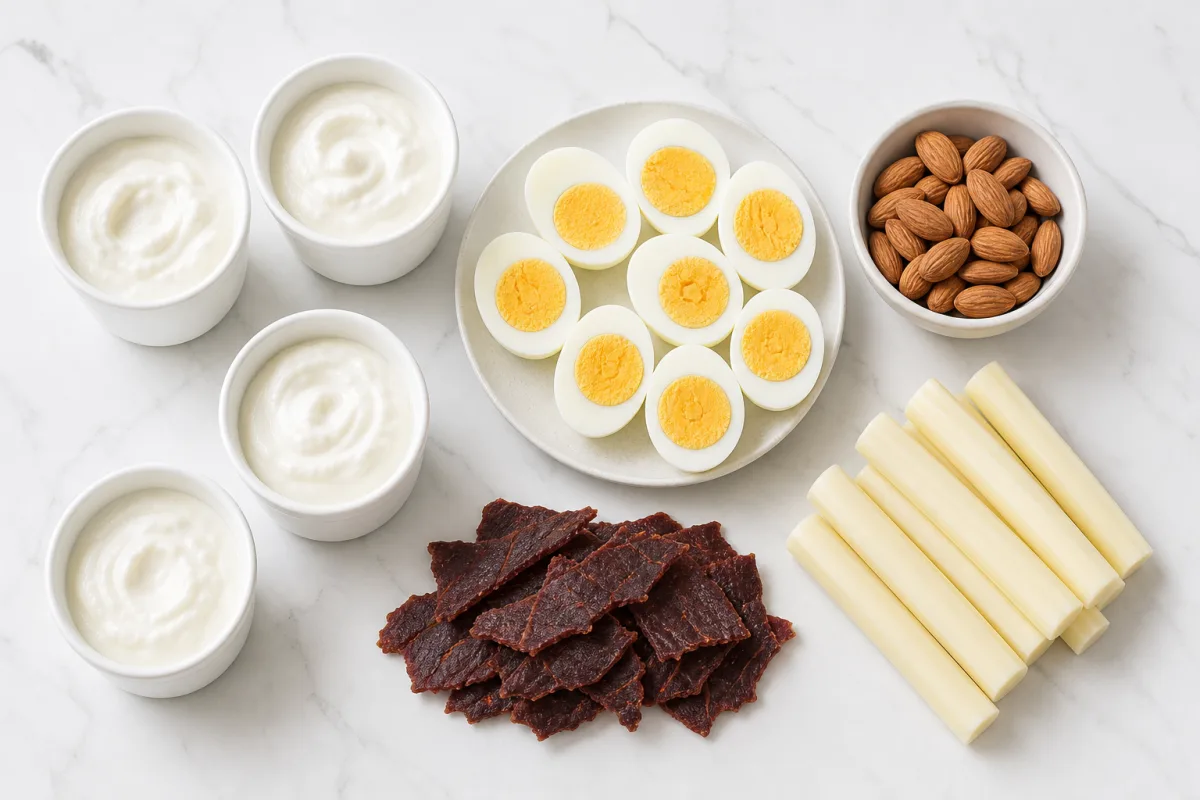
When a CoachCMFit client's food log shows a great breakfast, a decent lunch, and then a 9 PM raid on the pantry, I don't lecture them about willpower. I look at the eight-hour gap between lunch and dinner and see the actual problem. Nobody out-disciplines an empty stomach forever. You out-plan it.
Why Do Most "Healthy Snacks" Fail You?
The villain here is the snack aisle's definition of healthy: granola bars, veggie straws, rice cakes, fruit snacks with a leaf on the package. Almost all of it is fast-digesting carbohydrate with a health costume on. You eat 200 calories at 3 PM, your blood sugar spikes and dips, and by 4:30 you're hungrier than if you'd eaten nothing.
Protein behaves differently. It digests slowly, it triggers the satiety hormones that carbs barely touch, and it costs your body real energy just to process. Digesting protein burns 20-30% of its own calories, versus roughly 5-10% for carbs. A 200-calorie protein snack is closer to a 150-calorie snack after the thermic effect does its work, and it holds you for hours instead of minutes. That's a core reason you need more protein than you think, especially in a fat loss phase.
Researchers at the University of Missouri, led by Heather Leidy, compared high-protein afternoon yogurt snacks against high-fat snacks like crackers and chocolate in healthy women. The protein snack reduced afternoon hunger, pushed back the time until participants wanted to eat again, and led to eating less at dinner. Same snack calories, different rest of the day.
A University of Texas Medical Branch study published in the Journal of Nutrition found that spreading protein evenly across the day produced roughly 25% higher muscle protein synthesis over 24 hours than loading most of it into dinner, which is exactly how most Americans eat. A protein snack isn't just appetite control. It's one of the easiest ways to fix your protein distribution.
What Are the Best High-Protein Snacks?
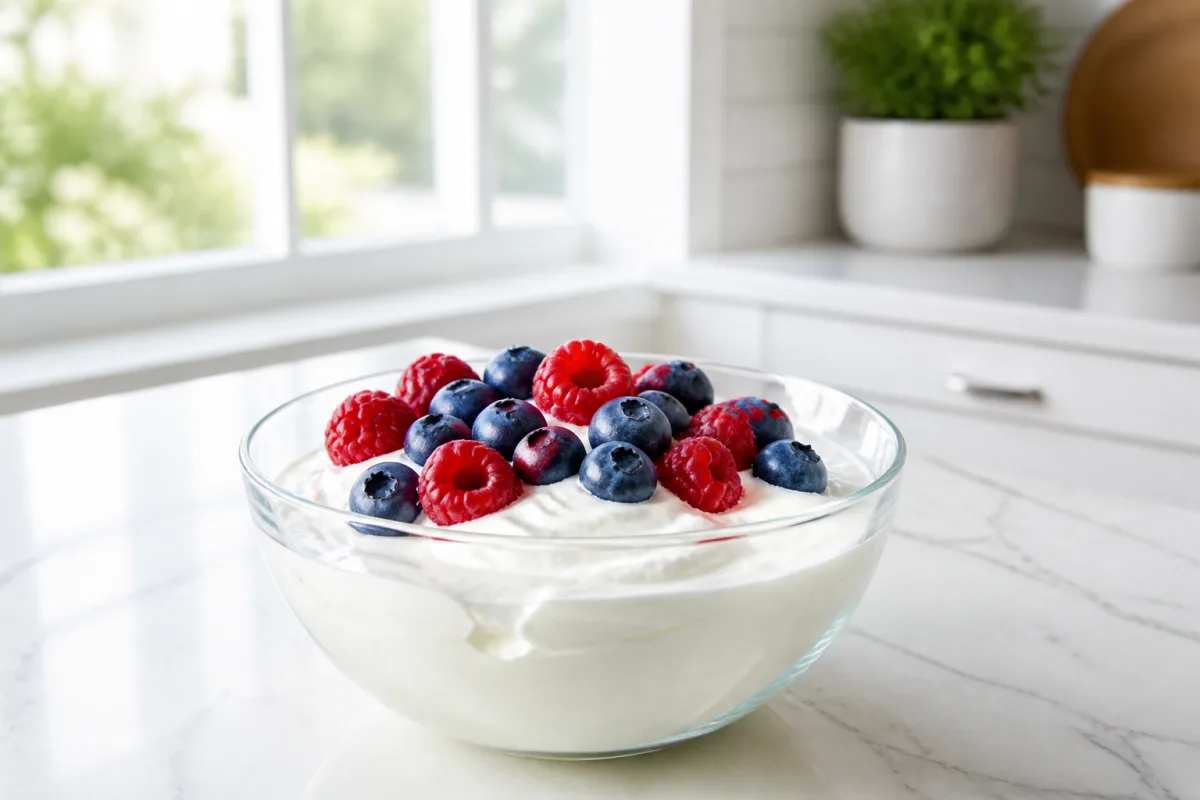
Here's the ranked list I hand CoachCMFit clients, with real numbers so you can compare instead of guessing.
| Snack | Protein | Calories | Best For |
|---|---|---|---|
| Nonfat Greek yogurt, 1 cup | 17-20g | 100-130 | The everyday default |
| Cottage cheese, 1 cup | 24g | 160-180 | Before bed (slow casein) |
| Canned tuna, 1 pouch | 18-22g | 80-100 | Most protein per calorie |
| Hard-boiled eggs, 2 | 12g | 140 | Weekly batch prep |
| Beef jerky, 1 oz | 10-15g | 80-120 | Car, desk, travel |
| Protein shake, 1 scoop | 20-30g | 110-160 | Post-workout, busiest days |
| Edamame, 1 cup | 17g | 190 | Plant-based pick |
| String cheese, 2 sticks | 12-14g | 140-160 | Kids' lunchbox, yours too |
| Roasted chickpeas, 1/2 cup | 7-10g | 120-140 | Crunch craving, plant-based |
| Deli turkey roll-ups, 3 oz | 18g | 90-120 | Fridge raid replacement |
Plant-based eaters can hit the same targets with edamame, roasted chickpeas, tofu bites, and soy-based shakes, and I covered the full playbook in how to eat more protein without meat. The target doesn't change, only the sources do.
The protein bar deserves a quick word. A good one, 15-20 grams of protein and under 250 calories, is a fine backup. But half the bars in the checkout lane are candy with a gym font: 300 calories, 20 grams of sugar, and less protein than a cup of yogurt at triple the price. Flip the label over before you trust the front of it.
How Do You Make the Protein Choice Automatic?
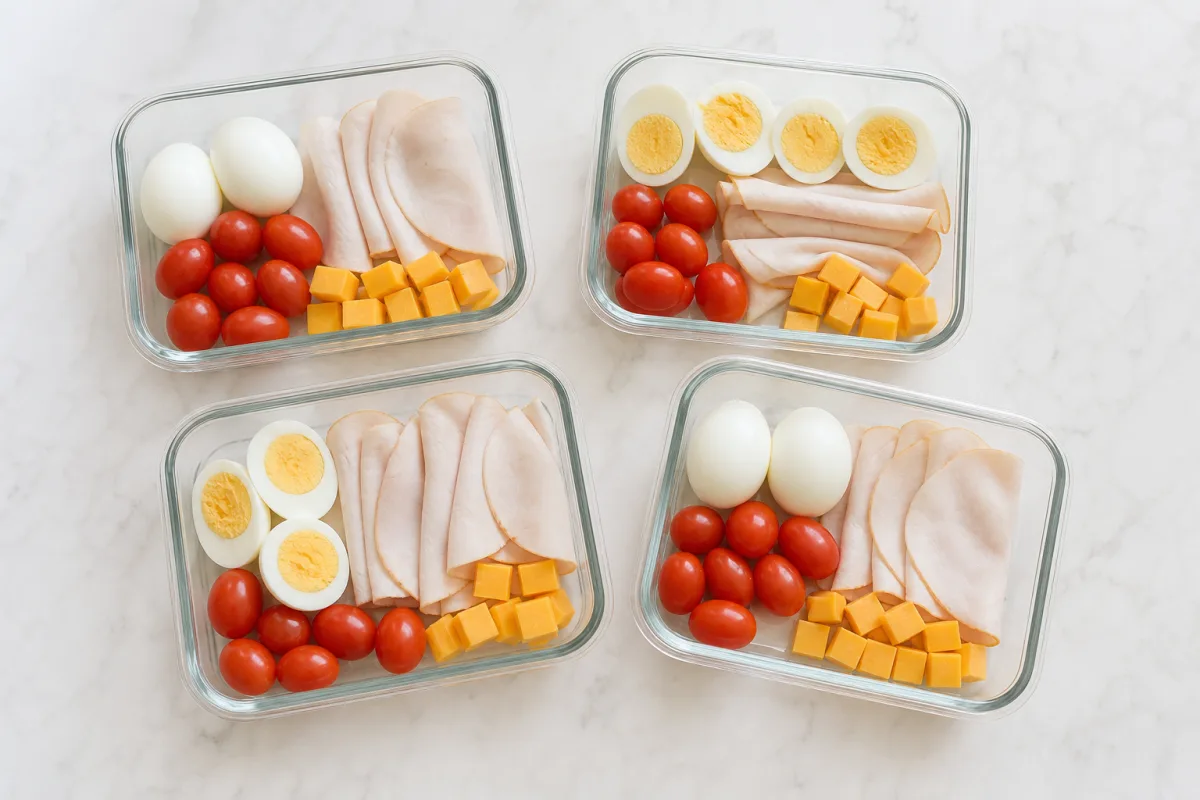
Knowing the list is not the same as eating from it at 3 PM on a chaotic Tuesday. Structure beats intention, which is why snacks at CoachCMFit run through the same framework as full meals.
CoachCMFit's 80/20 Structured Choice
Every snack slot gets three pre-picked options, calorie-matched within about 30 calories of each other, and every option clears a protein floor of 15 grams. You choose A, B, or C each day, so there's variety without decisions. Eighty percent of the options are whole foods, and twenty percent are the fun ones, a protein bar you genuinely like, chocolate protein shakes, Halo Top. A plan with zero fun foods gets abandoned by week three, so the fun is budgeted in rather than snuck in.
Placement matters as much as selection. The snack goes in the longest gap between meals, which for almost everyone is mid-afternoon. If late-night eating is your pattern, a planned evening snack of cottage cheese or Greek yogurt beats the pretend-discipline of "no food after 8," and it fits cleanly inside your calories when it's planned. This is appetite architecture, the same reason a high-protein breakfast reduces snacking pressure all morning.
Do Snacks Really Move the Fat Loss Needle?
More than most people believe. Protein snacks don't burn fat directly, but they hold the two variables that decide everything: total daily protein and evening overeating. Hit your daily target of 0.8-1 gram per pound of bodyweight, the number I broke down in protein for fat loss, and each meal-plus-snack lands in the 20-40 gram range where your body uses protein most efficiently. Miss the afternoon snack and you're relying on willpower at dinner, which loses on a long enough timeline.
CoachCMFit clients who add one structured afternoon protein snack typically report the same thing within two weeks: dinner portions shrink without trying, and the 9 PM pantry pull loses its grip. Fixing that one slot is often worth more than any supplement, and it's a bigger lever than most people expect when they're calculating how much weight they can lose in a month.
- Pick three snacks from the table: two whole food, one convenient backup.
- Batch once weekly: boil 8-10 eggs or portion cottage cheese the day you shop.
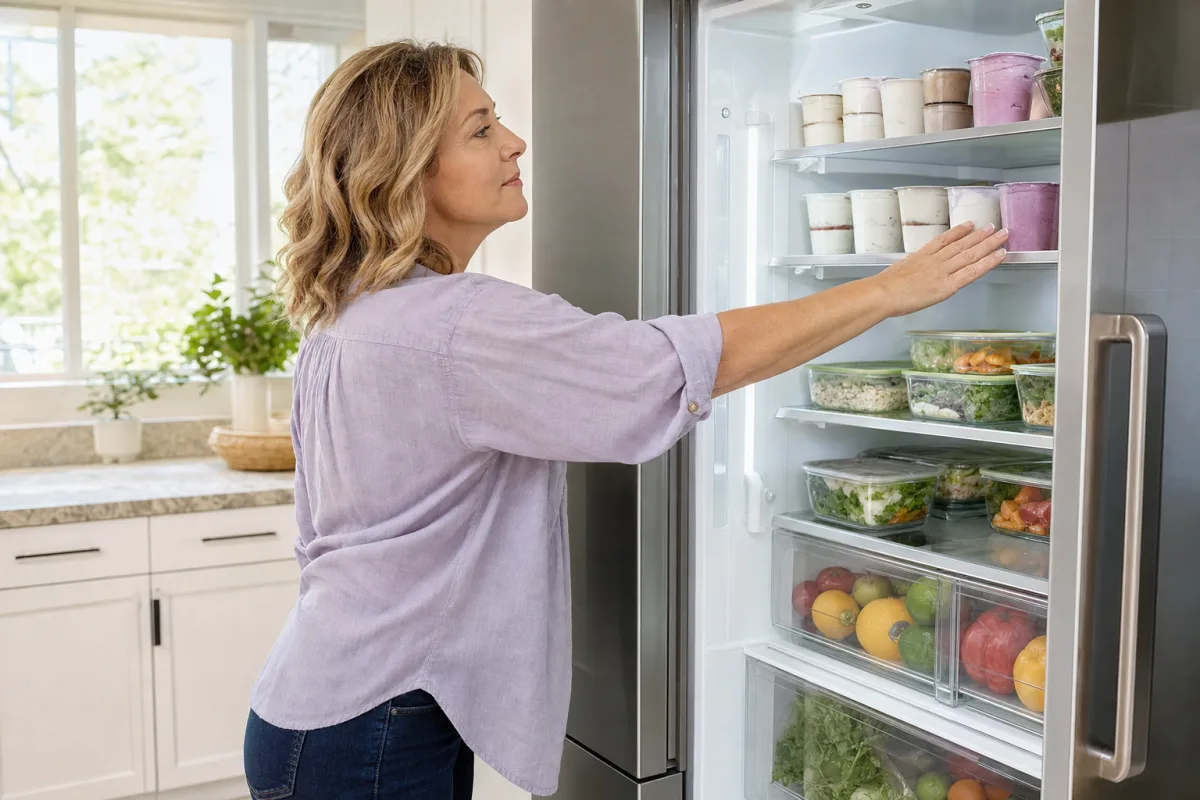
- Stage them at eye level in the fridge and one shelf-stable option in your bag or desk.
- Anchor the snack mid-afternoon, in the longest gap between your meals.
- Check each snack clears 15 grams of protein under 250 calories. If not, it's a treat, and treats live in the 20%.
- If you eat at night anyway, plan a casein-heavy snack there instead of fighting yourself.
Snacks are not the small stuff between the real meals. For most busy adults they're the difference between a protein target hit and a protein target missed, five days out of seven. Stock the drawer and let the environment do the discipline.